OpenAI’s “Tasks” Feature Marks Its Entry into the Virtual Assistant Space
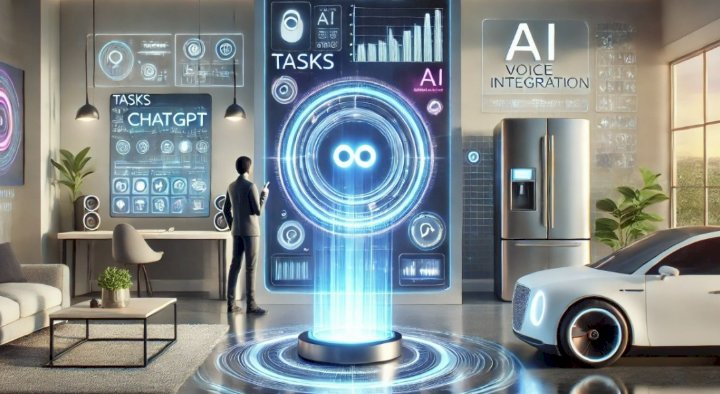
In January 2025, OpenAI rolled out a new beta feature called “Tasks” for ChatGPT users, marking a strategic push into the virtual assistant domain—intending to compete more directly with stalwarts like Siri and Alexa.
What Is “Tasks”?
-
Functionality: With “Tasks,” users can ask ChatGPT to schedule things for them — reminders, recurring updates like news or weather, and so on.
-
Proactive Suggestions: Beyond just reacting to user commands, ChatGPT can analyze ongoing conversations and propose tasks on its own, which users can accept or reject.
-
Rollout & Access: The feature is being rolled out to Plus, Team, and Pro tiers initially, beginning on the web platform.
Why This Matters
-
From Chatbot → Assistant
Until now, ChatGPT was mostly a conversational agent: you ask, it answers. With Tasks, it starts doing as well — acting on your behalf rather than just responding. This transformation is crucial in the evolution from chatbot to full-fledged virtual assistant. -
Competitor Pressure
-
Amazon’s Alexa is being updated with generative AI capabilities to cope with this rising competition.
-
Apple is also pushing forward, integrating “Apple Intelligence” into Siri, including leveraging capabilities from ChatGPT (with user permission) as part of its broader AI tie-ups.
This means the big players are now more actively racing to own your everyday assistant layer (on your phone, smart speaker, etc.).
-
-
Elevated Expectations for Virtual Assistants
Users no longer want assistants that simply respond. They expect assistants to anticipate needs, automate routine tasks, and work seamlessly across contexts (text, voice, reminders, apps). Features like Tasks push toward that ideal.
Challenges Ahead
-
Privacy & Permission: Allowing an AI to act (schedule, set reminders, initiate tasks) raises questions about data access, consent, and security.
-
Context Understanding: To make helpful suggestions or carry out complicated tasks, the assistant needs to understand nuance, ambiguity, and user preferences—still difficult in many cases.
-
Integration with Systems: To be truly useful, the assistant must interface correctly with calendars, messaging apps, reminders, etc., across different platforms and ecosystems (iOS, Android, web).
-
Limiting Hallucinations: When assistants act (not just speak), any wrong inference can cause real-world errors, so reliability is even more critical.
Looking Ahead
-
Wider Rollout: Expect “Tasks” to expand to more users (mobile apps, perhaps future API integrations).
-
Multi-Modal Assistance: Combining voice, text, app integration, calendars, and alarms into one unified assistant experience.
-
Smarter Proactivity: Virtual assistants may begin to sense when you need something (traffic warning, rescheduling, reminding you of things you forgot) rather than waiting to be asked.
-
Competition Intensifies: With OpenAI entering the assistant race more directly, we’ll likely see accelerated innovation from Apple, Amazon, Google, Microsoft, and emerging AI startups.