Diligent Robotics Eyes Senior Living Market as It Expands Beyond Hospitals
What Happened
-
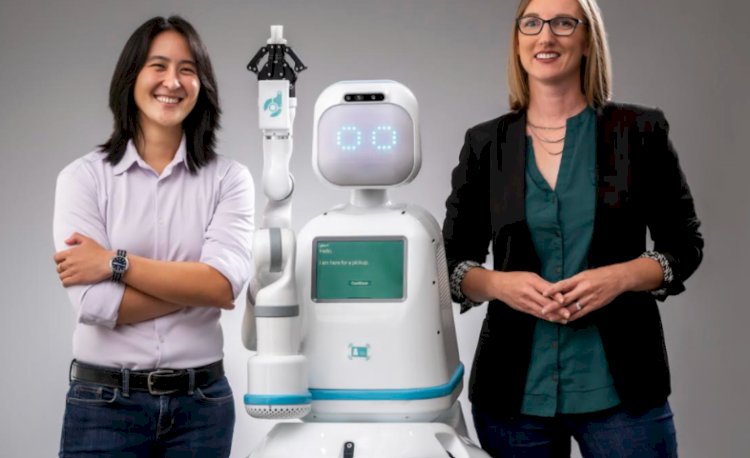
Diligent Robotics, a U.S.-based company known for deploying robots (like “Moxi”) in hospital settings, is now looking to expand into the senior living sector.
-
The push comes in response to labour shortages in senior care facilities, where demand for assistance with tasks is rising.
-
Moxi has already completed over 1.25 million deliveries across more than 25 hospitals. Its tasks include transports of medications, lab samples etc.
-
Diligent is in talks with several senior living operators to pilot the system in 3-5 facilities. The idea is to test how robots can support staff and residents more directly in that environment, rather than just being a behind-the-scenes helper.
Why This Matters
-
Addressing Labour Gaps: In many countries, including the U.S., staffing in senior care homes is under pressure. Using robots for repetitive or non-clinical tasks can help relieve the burden on human caregivers.
-
Adapting to New Contexts: Hospitals are controlled environments; senior living facilities are different — there’s more interaction with residents, more variability, more human-centric needs. If robots are to be useful there, they need to be more robust, safe, and socially aware.
-
Scalability & Cost-Efficiency: With proven deployment in hospitals, scaling into senior living could make the business case stronger if the cost of ownership, maintenance, and reliability align well. There’s potential for improved service, reduced delays, fewer mistakes.
-
Impact on Residents’ Quality of Life: Ideally, tasks like medication delivery, fetching supplies, etc., handled by robots, let staff spend more time in human care (social interaction, emotional support). That has qualitative benefits.
Challenges & Considerations
-
Human-Robot Interaction: In senior living, residents may be less tech-savvy, physically impaired, or have cognitive decline. Robots must be designed to interact safely, clearly, and empathetically.
-
Regulation & Safety: More direct contact with vulnerable populations increases regulatory and safety requirements (e.g. cleanliness, mobility, emergency handling).
-
Cost & Maintenance: The total lifecycle cost (installation, upkeep, software updates) must not outweigh benefits.
-
Acceptance & Trust: Staff and residents need to trust robotic help; resistance or fear could hamper adoption.