AI Twins: The Rise of Digital Replicas and Their Impact on Work, Identity, and Decision-Making
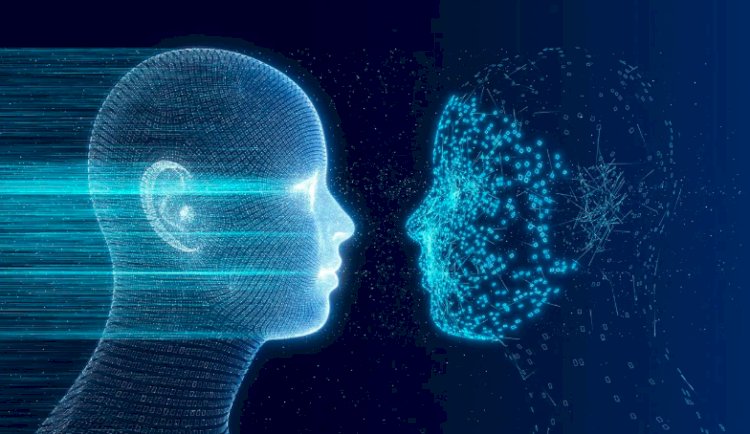
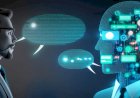
Artificial intelligence has moved far beyond chatbots and automation tools. One of the most unique and rapidly emerging trends in 2026 is the concept of AI Twins—digital replicas of individuals, businesses, or systems that can think, respond, and even make decisions like their real-world counterparts. This innovation is reshaping how we work, interact, and understand identity in the digital age.
What Are AI Twins?
AI Twins are highly personalized AI models trained on an individual’s data, behavior, communication style, and decision patterns. Unlike traditional AI systems, which are generalized, AI Twins are hyper-specific. They can simulate how a person writes emails, conducts meetings, makes strategic decisions, or even responds emotionally in certain situations.
For businesses, AI Twins can represent entire departments, customer segments, or operational workflows. For individuals, they act as a digital extension of themselves—capable of working 24/7 without fatigue.
How AI Twins Are Being Used Today
The applications of AI Twins are expanding across industries:
-
Corporate Leadership: Executives are deploying AI Twins to attend meetings, respond to emails, and provide strategic input based on past decisions.
-
Healthcare: Doctors are using patient-specific AI Twins to simulate treatment outcomes and personalize care plans.
-
Marketing & Sales: AI Twins of ideal customers help brands predict buying behavior and create highly targeted campaigns.
-
Education: Students can interact with AI Twins of professors for personalized learning experiences.
-
Content Creation: Creators are building AI Twins that generate blogs, social media posts, and videos in their unique voice and tone.
The Productivity Revolution
AI Twins are driving a new wave of productivity by enabling parallel workstreams. Imagine attending multiple meetings at once, each represented by your AI Twin, or running several business scenarios simultaneously to choose the best outcome.
This leads to:
-
Faster decision-making
-
Reduced workload burnout
-
Increased efficiency in repetitive tasks
-
Enhanced strategic planning through simulations
In many ways, AI Twins are becoming the ultimate productivity partner.
Ethical and Identity Concerns
While the benefits are significant, AI Twins also raise critical ethical questions:
-
Identity Ownership: Who owns your AI Twin—the individual, the company, or the platform that created it?
-
Consent and Misuse: What happens if someone creates a replica without permission?
-
Authenticity: As AI Twins become more realistic, distinguishing between real and AI-generated interactions becomes increasingly difficult.
-
Data Privacy: AI Twins require massive amounts of personal data, increasing the risk of misuse or breaches.
These concerns are pushing governments and tech companies to explore new regulations and digital identity frameworks.
The Future of Work with AI Twins
The workplace of the future may include both human employees and their AI counterparts. This hybrid model will redefine roles and expectations:
-
Employees may manage and train their own AI Twins
-
Hiring could include evaluating a candidate’s AI Twin capabilities
-
Performance metrics might include both human and AI contributions
Rather than replacing humans, AI Twins are expected to augment human potential, allowing individuals to focus on creativity, innovation, and emotional intelligence.
Challenges Ahead
Despite the promise, several challenges remain:
-
Technical Complexity: Building accurate AI Twins requires advanced modeling and continuous data updates
-
Cost Barriers: High-quality AI Twins are still expensive to develop and maintain
-
Trust Issues: Users may hesitate to rely on AI for critical decisions
-
Regulatory Gaps: Laws around digital identity and AI accountability are still evolving
Conclusion
AI Twins represent a powerful shift in how we perceive intelligence, identity, and productivity. As this technology matures, it will blur the lines between human and machine capabilities, creating new opportunities and challenges.
In the coming years, the question will not be whether to use AI twins—but how responsibly and effectively we can integrate them into our personal and professional lives. The organizations and individuals who adapt early will have a significant advantage in this next phase of the AI revolution.
AI is no longer just a tool—it is becoming a reflection of us.