Generative AI Boom Reshapes Industries as Businesses Race to Adopt Intelligent Automation
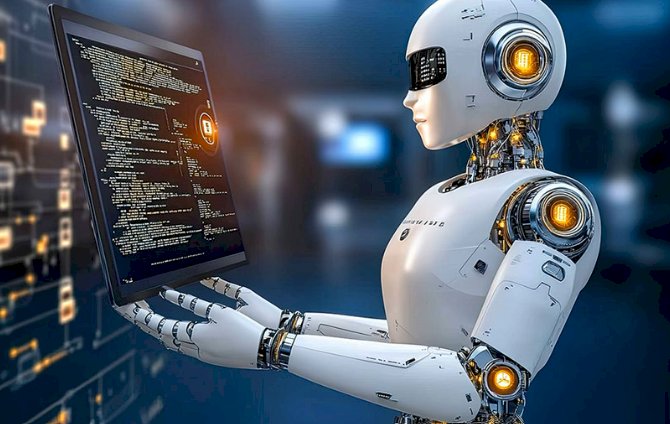
Artificial Intelligence is entering a defining phase in 2026 as businesses across industries rapidly integrate generative AI and automation into their core operations, transforming how work gets done at every level. Tech giants like OpenAI, Google DeepMind, and Meta are leading the charge with advanced AI models capable of producing human-like content, writing code, analyzing complex data, and even making strategic business recommendations. Organizations are increasingly embedding AI into customer service, marketing, finance, and product development, significantly improving efficiency while reducing manual effort and operational costs. At the same time, the rise of AI copilots and virtual assistants is reshaping the workforce, enabling employees to focus on higher-value tasks while automation handles repetitive processes. However, this rapid adoption also brings challenges, including concerns around data privacy, ethical AI usage, and the need for clear regulatory frameworks. Governments and enterprises are now working together to establish guidelines that ensure responsible AI deployment without slowing innovation. As competition intensifies, companies that successfully leverage AI for personalization, predictive analytics, and decision-making are gaining a strong market advantage, positioning artificial intelligence as the most disruptive and influential force in the global digital economy today.