The Rise of AI-Generated Human Faces and the Dangers of Misuse
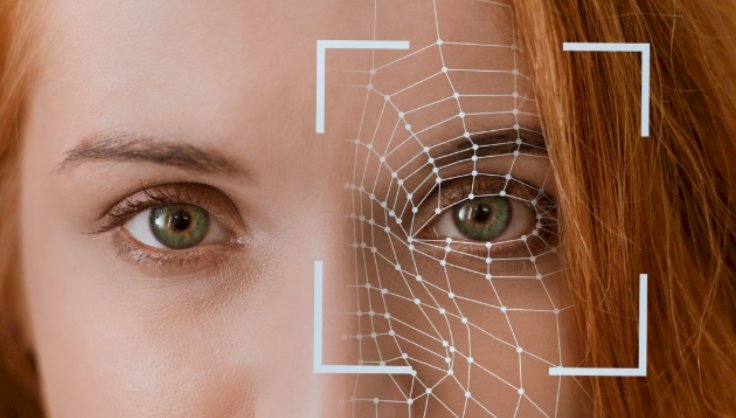
Artificial Intelligence (AI) has advanced rapidly over the past decade, and one of its most striking innovations is the ability to generate realistic human faces. Tools powered by generative adversarial networks (GANs) and deep learning models can now create digital humans that are almost indistinguishable from real people. While this technology has opened new possibilities in fields like gaming, filmmaking, advertising, and virtual reality, it has also sparked serious concerns about misuse and ethical dilemmas.
The Appeal of AI-Generated Human Faces
AI-generated faces are created without any actual person behind them, making them a powerful resource for businesses and creatives. They can be used in marketing campaigns to represent diverse identities, in movies to craft lifelike characters, or even in customer service through virtual avatars. The fact that these faces belong to “non-existent” individuals means companies can avoid privacy concerns and copyright issues associated with using real people’s images.
The Dark Side: Misuse and Manipulation
Unfortunately, this same technology has opened the door to dangerous misuse. Deepfake videos, which often use AI-generated or manipulated faces, have already been weaponized to spread misinformation, fake news, and malicious content. Fraudsters have used AI-generated faces to create fake social media accounts, impersonate professionals, and even trick companies during recruitment processes. In more severe cases, these faces are being used in scams, financial fraud, and identity theft, raising major security concerns.
Ethical and Social Implications
The misuse of AI-generated human faces blurs the line between reality and fiction, making it difficult for individuals to trust what they see online. This erosion of trust has far-reaching implications for media credibility, political campaigns, and personal privacy. Victims of identity-based manipulation often suffer reputational damage, while society as a whole risks falling prey to a new wave of digital deception. The technology also raises philosophical questions about authenticity, ownership of digital likeness, and human dignity in an AI-driven world.
Striking a Balance: Regulation and Awareness
To address these challenges, governments, tech companies, and researchers are calling for stronger regulations, watermarking techniques, and AI-detection tools that can identify synthetic faces and deepfakes. At the same time, public awareness is crucial—people need to be educated on how to spot manipulated images and avoid falling for deceptive content. As with most technological revolutions, the challenge lies in maximizing the benefits of AI while minimizing the risks.
Conclusion
AI-generated human faces represent both an exciting frontier and a dangerous threat. Used responsibly, they can transform industries, enhance creativity, and streamline digital experiences. But in the wrong hands, they become tools of deception capable of harming individuals and societies. The global community now faces the urgent task of developing ethical frameworks and safeguards to ensure that this powerful technology serves humanity rather than undermines it.