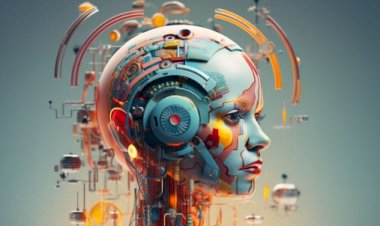
Autonomous Digital Workforces Transform Enterprise Operations

The most significant shift in the AI landscape is the rapid ascent of Agentic AI, moving beyond static chatbot assistants to fully autonomous digital workforces capable of executing complex, multi-step business processes with minimal human intervention. These next-generation AI agents, powered by advanced Large Language Models (LLMs) like Gemini and specialized lightweight models, feature enhanced reasoning and long-term memory, allowing them to maintain context across sessions, learn from past interactions, and adapt their plans in real-time. In the enterprise sector, this is translating into tangible operational overhauls: in Finance, agents are automating accounts payable/receivable, enhancing fraud detection, and performing real-time cash flow forecasting, leading to cost reductions and error minimization; and in IT Operations, agents are proactively resolving support tickets, automating root cause analysis, and managing knowledge bases. Companies like Microsoft are now embedding this agentic capability directly into operating systems like Windows 11 with features like Agent Workspace, offering controlled, isolated environments for AI agents to autonomously manage personal files and workflows. While the potential for exponential productivity gains is immense, the industry is grappling with crucial challenges related to governance, reliability, and security, requiring businesses to implement robust monitoring, human oversight, and clear ethical frameworks to prevent issues like AI hallucination and error cascades in fully automated workflows, underscoring that the successful adoption of AI agents depends on seamless, trustworthy human-agent collaboration.